ASEAN Reciprocal Tariffs 2025: Implications for Trade and Labor Mobility
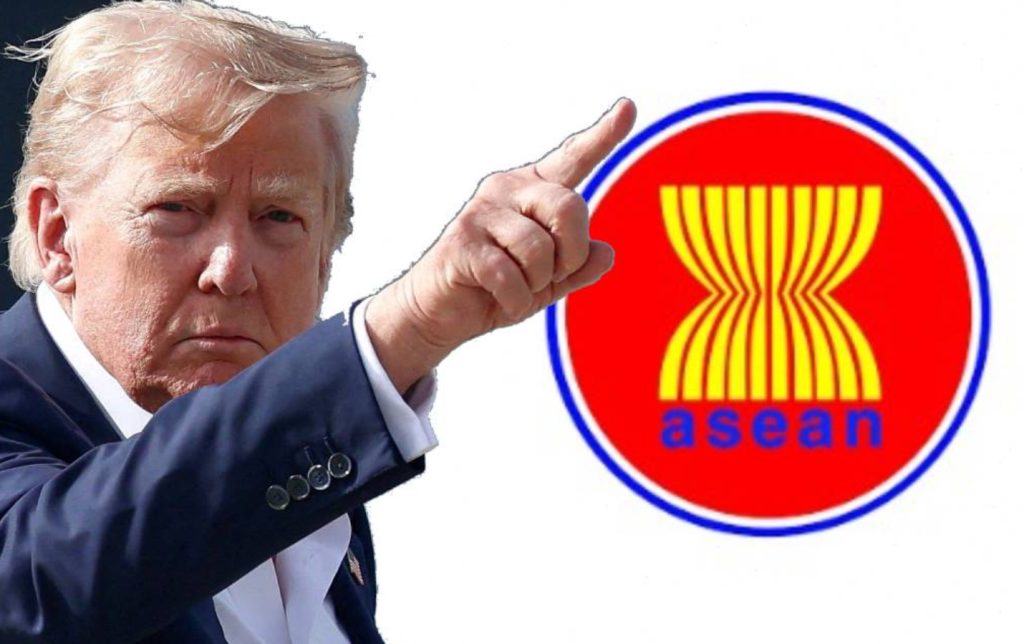
In 2025, the United States revised its reciprocal tariffs on several ASEAN countries, aligning import duties to foster fair trade and regional cooperation. These adjustments have important implications for trade competitiveness and labor mobility within Southeast Asia.
Understanding Reciprocal Tariffs in ASEAN
Reciprocal tariffs are import duties imposed as a response to tariffs applied by trading partners. For ASEAN member states, managing these tariffs effectively helps protect domestic industries while maintaining export opportunities.
Current Reciprocal Tariff Rates in ASEAN (2025)
| Country | Reciprocal Tariff Rate (%) |
|---|---|
| Vietnam | 20% |
| Indonesia | 19% |
| Philippines | 19% |
| Thailand | 19% |
| Cambodia | 19% |
| Malaysia | 19% |
| Brunei | 25% |
| Singapore | 10% |
| Laos | 40% |
| Myanmar | 40% |
Trade and Labor Market Impacts
The adjustment in reciprocal tariffs helps ASEAN countries maintain competitive export prices, supporting economic growth and investment. Additionally, changes in trade policies can influence labor demand, particularly for migrant workers who play a significant role in regional industries.
Work Permits and Labor Mobility in ASEAN
Labor mobility is a crucial factor for ASEAN’s economic integration. As tariff policies evolve, so does the demand for skilled and unskilled labor across borders. Obtaining proper work permits is essential for migrant workers to legally work and contribute to host countries’ economies.
ASEAN countries, including Thailand, have been streamlining work permit processes to facilitate smoother labor migration, improve labor rights protections, and ensure compliance with international labor standards. Businesses hiring foreign workers must stay informed on the latest regulations and application procedures.
For comprehensive and updated information on work permits in Thailand, including application guidelines and policy updates, visit Workpermit Thailand.
Government Measures to Support Businesses and Workers
ASEAN governments are proactively addressing these challenges by implementing:
- Soft loan programs and financial subsidies,
- Tax relief and streamlined regulations,
- Policies to support safe and legal labor migration.
Looking Ahead
With continued cooperation, ASEAN countries aim to enhance trade facilitation and labor mobility, strengthening the region’s position in the global economy.
For detailed guidance on work permits and labor regulations, visit Workpermit Thailand.
Additional references: